
Understanding the psychological triggers behind casino behavior
The Allure of Risk and Reward
The psychology behind casino behavior often hinges on the allure of risk and reward. Gamblers are drawn to the thrill of possibly winning large sums of money, which creates a potent cocktail of excitement and anxiety. This emotional high can be highly addictive; the brain releases dopamine, a neurotransmitter linked to pleasure, whenever a player wins, reinforcing their desire to continue playing. Over time, this can lead to an insatiable appetite for gambling, as the anticipation of reward overshadows the reality of potential loss. For those interested in more insights, they can visit https://evolveyourfuture.co.uk to explore further.
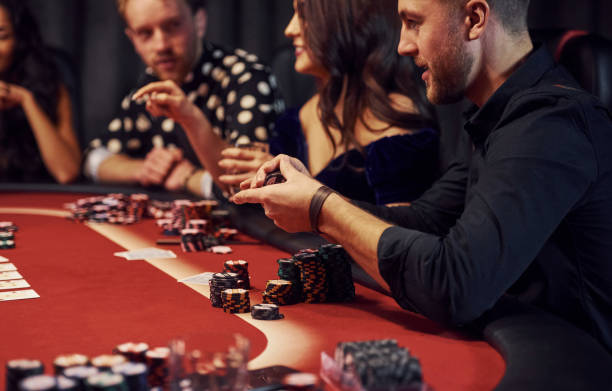
Moreover, the unpredictability of gambling results enhances its appeal. Unlike more predictable forms of entertainment, such as watching a movie, the uncertain outcomes of games like slots and poker create a sense of suspense. This unpredictability often compels players to engage repeatedly, as they chase that next win. The occasional small win can further encourage this behavior, as it reinforces the belief that success is just around the corner, leading to prolonged play and increased wagers.
Lastly, casinos are designed to amplify these psychological triggers. Bright lights, enticing sounds, and the absence of clocks create an environment that encourages longer play sessions. Every aspect of a casino, from its layout to its ambiance, is meticulously crafted to keep players engaged and focused on the thrill of gaming. This strategic manipulation of sensory experiences plays a critical role in establishing a player’s connection to the gambling environment, thereby heightening their emotional investment.
The Impact of Social Interaction
Social dynamics are another significant psychological trigger in gambling behavior. Casinos foster an environment of interaction, where players engage not only with games but also with each other. This social aspect can enhance the overall experience, as players share stories, celebrate wins, and even console one another during losses. The camaraderie found in a casino can make the experience more enjoyable, encouraging players to return for both the games and the connections they build with fellow gamblers.
Additionally, peer influence plays a powerful role in gambling behavior. Individuals may be more likely to gamble in social settings where others are participating, driven by a desire for acceptance or belonging. The fear of missing out, or FOMO, can prompt individuals to take risks they might otherwise avoid. This social pressure often leads to increased betting amounts and prolonged play, as individuals seek to align with the group’s enthusiasm, even if it conflicts with their better judgment.
Furthermore, the rise of online casinos has transformed social interactions in gambling. Features such as live dealer games and chat functions allow players to communicate and interact in real time, replicating the social aspects of a physical casino. This connection can heighten the enjoyment of online gaming, making it easy for players to form online communities that encourage regular participation. The blending of social and gaming experiences further reinforces the psychological triggers that encourage continued gambling behavior.
The Role of Cognitive Biases
Cognitive biases significantly influence gambling behavior, often leading players to make irrational decisions. One common bias is the “gambler’s fallacy,” where players believe that past outcomes will affect future results. For example, a player may think that if a slot machine hasn’t paid out in a while, it is “due” for a win. This misinterpretation of randomness can lead to longer play sessions and increased betting, as players chase the belief that they can predict outcomes based on previous results.
Another critical cognitive bias is the “illusion of control.” Many gamblers believe they can influence the outcome of games through their skills or strategies, especially in games like poker or blackjack. This belief can lead players to engage in riskier behaviors, as they perceive they have a better chance of winning than they statistically do. When players win, it reinforces this bias, making them more likely to gamble again in the future, convinced they possess a unique edge.
Moreover, the “near-miss effect” is a powerful motivator in casino behavior. Players often feel a heightened sense of excitement when they come close to winning, even if they don’t actually win. This psychological phenomenon can lead to increased gambling, as players strive to replicate the emotional high of a near-win. The brain rewards these near-miss experiences with dopamine, creating a cycle of behavior that encourages players to gamble in hopes of achieving that elusive jackpot.
The Influence of Environmental Factors
The casino environment is meticulously designed to influence player behavior. Factors such as lighting, sound, and even the arrangement of games can evoke specific emotional responses. For example, bright lights and upbeat music often accompany slot machines, creating an exhilarating atmosphere that keeps players engaged. This sensory overload can mask the passage of time and the monetary losses incurred, allowing players to remain immersed in the experience longer than they initially intended.
Additionally, the strategic placement of high-stakes games near popular attractions can lead to increased foot traffic and participation in more expensive bets. Casinos often use layout techniques to create a sense of allure and excitement, manipulating the environment to maximize player interaction and spending. These design elements work in tandem with psychological triggers, fostering an environment where players are encouraged to gamble impulsively.
Lastly, free drinks and promotional offers serve as tactical incentives, reinforcing gambling behavior. Complimentary services can create a sense of loyalty and appreciation, leading players to feel more inclined to continue gambling as a way of reciprocating this hospitality. Such practices highlight how environmental factors are not only physical elements but also psychological strategies employed by casinos to enhance player engagement and spending.

Vipzino Casino: A Case Study in Player Engagement
Vipzino Casino exemplifies many of the psychological triggers discussed above. With over 5,000 games, including slots and table games, it provides an expansive playground for players. The site’s emphasis on player satisfaction through generous welcome bonuses, promotions, and cashback offers harnesses the allure of risk and reward, inviting new players to take the plunge. By capitalizing on these psychological motivators, Vipzino effectively attracts and retains players seeking both entertainment and the thrill of winning.
Furthermore, the 24/7 customer support and user-friendly mobile app create a seamless experience, enhancing player engagement. This accessibility allows players to gamble whenever they choose, reinforcing the addictive nature of gaming. The design and functionalities of the platform echo the environmental factors discussed earlier, creating an immersive experience that keeps players returning for more. By recognizing and addressing these psychological triggers, Vipzino positions itself as a premier destination for online gaming in the UK.
In conclusion, understanding the psychological triggers behind casino behavior is crucial for both players and operators. By recognizing the allure of risk, the impact of social interaction, cognitive biases, and environmental factors, stakeholders can make informed decisions about their gaming experiences. Whether players seek entertainment or a chance at a life-changing win, platforms like Vipzino Casino harness these psychological elements to provide a thrilling and engaging gambling experience.